
Most business owners think they need a logo. What they actually need is a brand.
These two things are not the same, and confusing them is one of the most common mistakes new and growing businesses make. In this post, you'll learn exactly what separates a logo from a brand, why that distinction matters for your business, and what steps you can take to build something that actually creates trust, loyalty, and long-term growth.
Why So Many Businesses Confuse Branding and Logo Design
It's easy to see why the confusion happens. When you start a business, one of the first things people tell you is "you need a logo." So you get one made, pick some colors, choose a font, and move on.
But then something strange happens. You have a logo, a website, social media pages, maybe even some ads running, and yet nothing feels cohesive. Customers don't seem to remember you. Your competitors with similar-looking designs are pulling ahead.
The missing piece is almost always brand strategy, not design.
What Most People Think a Logo Does
Many people believe a logo is the face of their business, that it carries meaning, trust, and recognition on its own. In reality, a logo is a symbol. It only becomes meaningful when the brand behind it earns that meaning over time.
Think about the Nike swoosh. By itself, it's a simple checkmark. What makes it powerful is everything Nike has built around it: their values, their marketing, their athlete stories, their customer experience.
The logo didn't create the brand. The brand gave the logo its power.
Branding vs Logo: The Core Definitions
Before going further, let's get clear on what each term actually means.
What Is a Logo?
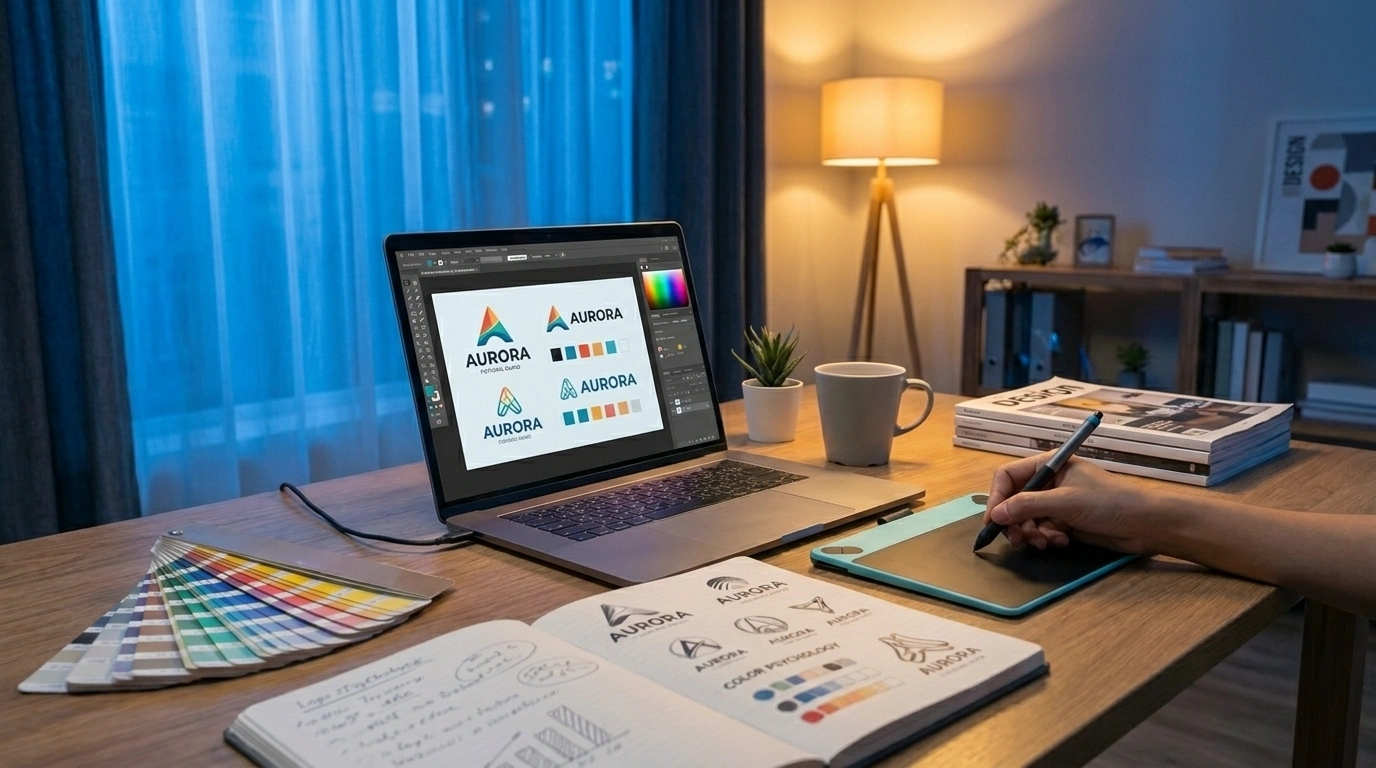
A logo is a visual mark that identifies your business. It can include:
- A wordmark (your business name in a styled font)
- An icon or symbol
- A combination of both
- A tagline beneath the mark
A logo is a design asset. It lives on your website, business cards, packaging, and social profiles. It's created once (and occasionally refreshed), and its job is simple: make your business recognizable at a glance.
What Is Branding?
Branding is the full experience people have with your business. It's everything that shapes how customers perceive, think, and feel about you. According to HubSpot, a brand is "the way a product, company, or individual is perceived by those who experience it."
Branding includes:
- Your mission, vision, and core values
- Your brand voice and messaging style
- Your visual identity system (colors, typography, imagery, logo)
- The customer experience at every touchpoint
- Your reputation in the market
- The emotions and associations people connect with your name
In short, your logo is one piece of your visual identity. Your brand is the whole picture.
Why Your Brand Matters More Than Your Logo
Here's a scenario that happens all the time.
A startup spends $500 on a logo from a freelancer. The design looks clean. The colors work. Everyone on the team loves it. They launch, run some ads, post on social media, and wait for results.
Six months later, sales are flat. Their website bounces visitors in under 30 seconds. Nobody seems to care about the brand.
The logo wasn't the problem. The brand was.
Brand Identity Goes Deeper Than Design
Your brand identity includes your visual identity (yes, your logo) but also your tone of voice, how you respond to customer complaints, how your website feels to use, what your emails sound like, and what values guide your decisions.
When all of these are aligned, something powerful happens. Customers stop comparing you on price. They start recommending you without being asked. They trust you before they've even bought from you.
That kind of loyalty doesn't come from a logo. It comes from a brand experience that's consistent and genuine.
The Role of Customer Perception in Branding
Google's research on consumer behavior consistently shows that people make decisions based on emotion and trust, not just features and pricing.
Your brand shapes those emotions. A polished website, a clear value proposition, a consistent visual system, helpful content, and responsive customer service all feed into how customers perceive you.
A logo alone can't do any of that work.
How to Build a Brand That Actually Works
Building a brand isn't about spending more on design. It's about being intentional across every part of the business that customers see or experience.
Here's a practical framework to get started:
Step 1: Define Your Brand Strategy
Before you open any design software, answer these questions:
- Who is your target customer?
- What problem do you solve for them?
- What makes you different from competitors?
- What values guide how you operate?
- What do you want customers to feel when they interact with you?
These answers become the foundation for everything else. Without them, your logo, website, and marketing will feel disconnected.
Step 2: Develop a Consistent Visual Identity
Once your strategy is in place, your visual identity should reflect it. This means:
- A logo that fits the personality of your brand
- A defined color palette (typically 2-4 colors)
- Typography that reinforces your tone (bold and modern, or clean and minimal)
- Imagery guidelines that keep your photos and graphics feeling consistent
This is where great UI/UX design makes a real difference. At Razen Creations LLC, the design team builds visual identity systems that feel cohesive across every platform, from websites to mobile apps to social media.
Step 3: Build a Digital Presence That Reflects Your Brand
Your website is often the first serious interaction a customer has with your brand. If your site looks outdated, loads slowly, or feels difficult to navigate, it sends a signal, and not a good one.
A well-designed website does three things:
- Communicates who you are immediately
- Guides visitors toward taking action
- Reflects the same quality and care customers expect from your products or services
Razen Creations LLC's web design and development services are built around this idea. Every site is designed with your brand strategy in mind, not just aesthetics.
Step 4: Make Every Touchpoint Consistent
Think about all the places a customer encounters your business:
- Your website
- Social media profiles
- Email newsletters
- Paid ads
- Customer support conversations
- Mobile app (if you have one)
- Blog content and downloadable resources
Each of these is a brand touchpoint. When they're consistent, your brand feels reliable and professional. When they're inconsistent, customers sense it, even if they can't explain why.
Real Business Scenarios: Brand vs Logo in Action
Let's look at a few real-world situations where this difference plays out.
Scenario 1: The Startup With a Great Logo but No Brand Strategy
A tech startup hired a designer and got a beautiful logo with a modern color scheme. But their website had no clear messaging, their social media was irregular, and their customer support was slow. Potential clients couldn't figure out what made them different.
The fix wasn't a new logo. It was brand strategy, better web copy, a consistent content calendar, and improved customer communication.
Scenario 2: The Local Business That Built Real Brand Loyalty
A regional law firm decided to invest in their brand, not just their design. They worked on their messaging, redesigned their website with better user experience, launched a blog with practical legal tips, and started a monthly email newsletter.
Within a year, referrals increased, online reviews improved, and their website traffic grew by over 60%. The logo barely changed. The brand transformed.
Scenario 3: An E-Commerce Brand That Scaled Through Brand Consistency
An online clothing brand had an average logo but exceptional brand consistency. Their product photos all shared the same aesthetic, their captions had a distinctive voice, their packaging felt premium, and their website was fast and easy to use.
Customers kept coming back because the experience felt dependable. They knew exactly what to expect.
Common Branding Mistakes and How to Avoid Them
Even businesses that understand the difference between a brand and a logo make avoidable mistakes. Here are the most common ones:
- Skipping the strategy phase and going straight to design
- Inconsistent visual identity across different platforms
- Copying competitor branding instead of defining your own positioning
- Treating branding as a one-time project rather than an ongoing effort
- Neglecting the customer experience while focusing entirely on visuals
- Not aligning marketing with brand values (your ads say one thing, your service delivers another)
If any of these sound familiar, it's a good time to revisit your brand strategy before investing more in design or advertising.
How Digital Marketing Strengthens Your Brand
Once your brand foundation is solid, digital marketing amplifies it. But marketing without a clear brand is like running ads with no real message. You're spending money to create impressions that don't stick.
Strong digital marketing builds on a strong brand by:
- Using SEO to attract the right audience with content that reflects your expertise
- Running PPC campaigns that speak directly to your ideal customer's needs
- Building community through social media that has a consistent voice and value
- Retargeting visitors who already showed interest in your products or services
At Razen Creations LLC, the digital marketing team handles SEO, PPC, and social media strategy with your brand identity at the center. Every campaign is designed to reinforce what your brand stands for, not just drive clicks.
Additional Services That Help Your Brand Scale
Building and maintaining a strong brand involves more than a website and a logo. As your business grows, you need systems and tools that support your brand experience at every level.
Some areas where businesses often need support:
- Custom software development for internal tools and customer-facing platforms that reflect your brand experience
- Mobile app development to extend your brand to mobile audiences with a seamless interface
- E-book publishing to establish thought leadership and provide value to your audience under your brand's name
- UI/UX design to ensure every digital product feels intuitive and aligned with your brand personality
These services aren't separate from branding. They're part of how modern businesses deliver on their brand promise consistently.
If you're ready to bring all of these pieces together, the team at Razen Creations LLC can help you get there. Get a free consultation and let's talk about what your brand needs to grow.
Conclusion
A logo is where your brand shows up. A brand is why customers choose you, trust you, and come back.
If your business has a logo but struggles with recognition, inconsistent messaging, or low customer loyalty, the answer isn't a redesign. It's a stronger brand strategy.
Start by getting clear on who you are, what you stand for, and how every customer touchpoint reflects that. Then build your visual identity and digital presence around that foundation.
Need help putting all of this together? Work with Razen Creations LLC. From brand strategy and UI/UX design to web development and digital marketing, we help businesses build brands that mean something. Contact our team today to get started.
Frequently Asked Questions
1. What is the main difference between branding and a logo?
A logo is a visual symbol that identifies your business. Branding is the complete experience customers have with your business, including your values, voice, design, and reputation. Your logo is one small part of your overall brand.
2. Do I need a brand strategy before getting a logo?
Yes. A logo designed without a clear brand strategy often ends up being redesigned later. When you know your target audience, positioning, and values, your visual identity will be more intentional and effective from the start.
3. How long does it take to build a brand?
Building a recognizable brand typically takes 6 to 18 months of consistent effort, though some aspects like visual identity can be established much faster. Brand trust and loyalty develop over time through consistent customer experiences.
4. Can a small business afford to invest in branding?
Absolutely. Branding doesn't require a massive budget. Small businesses can start with clear messaging, a well-designed website, and consistent communication. These basics have a significant impact even without high design costs.
5. What is visual identity and how does it relate to branding?
Visual identity is the collection of design elements that represent your brand visually, including your logo, colors, typography, and imagery. It's part of your broader brand identity, which also includes your messaging, values, and customer experience.
6. How does a strong brand help with digital marketing?
A strong brand makes every marketing effort more effective. When people already recognize and trust your brand, your ads get better click-through rates, your content gets shared more, and your SEO builds on an established reputation.
7. How can Razen Creations LLC help with my brand?
Razen Creations LLC offers end-to-end digital services including UI/UX design, web development, custom software, mobile app development, digital marketing, and e-book publishing. Whether you're starting from scratch or refining an existing brand, the team can help you build a cohesive and growth-focused digital presence. Contact our team to get started.